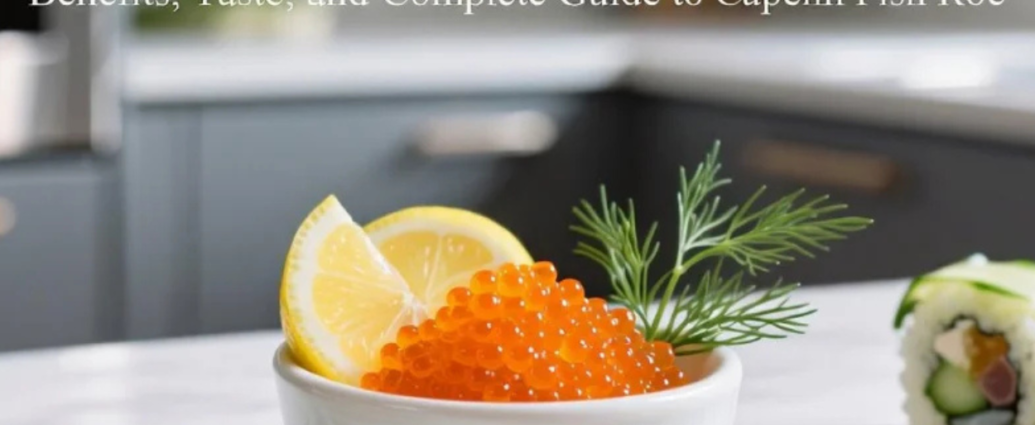
If you’ve ever ordered a California roll or any sushi with tiny, bright orange eggs scattered across the top, you’ve already eaten masago. Most people pop it in their mouth without a second thought, but this little ingredient has a surprisingly rich story behind it. So, what is masago exactly, and why do sushi chefs rely on it so heavily?
Masago is the edible roe, or eggs, of the capelin fish (Mallotus villosus), a small cold-water species found in the North Atlantic, North Pacific, and Arctic oceans. The word “masago” (真砂子) literally translates to “sand” in Japanese, a nod to the fine, granular appearance of the tiny eggs. It’s become one of the most popular fish roes in the world, largely because it delivers flavor, crunch, and visual pop at a fraction of the cost of premium alternatives like tobiko or caviar.
The global sushi market was valued at $5.85 billion in 2024 and is projected to reach $10.76 billion by 2033. Masago has ridden that wave, becoming a staple in sushi restaurants across the United States, Europe, and Asia alike.
Where Does Masago Come From?
Capelin fish are small, sardine-like creatures that typically grow between 11 and 20 cm long and weigh just 25 to 50 grams. They play a critical ecological role as forage fish, meaning larger predators like codfish, whales, seabirds, and seals depend on them as a primary food source.
The harvesting process is time-sensitive. Female capelin start producing eggs between 2 and 4 years of age, and a single female can carry anywhere from 6,000 to 30,000 eggs. Fishermen harvest masago by targeting egg-bearing females before they have a chance to spawn. The fishing season typically runs from April through July, and the window to catch capelin at peak roe quality is relatively narrow.
Once caught, workers extract the roe sacs by carefully cutting open the female capelin’s abdomen. The roe is then rinsed, lightly salted, and either deep-frozen immediately or further processed before distribution. About 80% of the total capelin catch goes toward fishmeal and fish oil production, while the remaining 20% becomes the masago you see on your sushi plate.
Historically, capelin has been harvested for centuries off the coasts of Iceland, Norway, Canada, and Greenland. Masago found its culinary identity in Japanese cuisine, and as sushi culture expanded globally through the late 20th century, masago followed right along.
What Does Masago Look Like and Taste Like?
In its natural state, masago is pale yellow and nearly translucent. The eggs are tiny, measuring roughly 0.5 to 1 millimeter in diameter. However, what you see at sushi restaurants is almost always dyed. Producers color masago bright orange (the most common), red, green, or black to make it more visually striking on the plate.
Flavor-wise, masago is mild. You’ll pick up on a subtle saltiness, a faint sweetness, and a gentle brininess that hints at the ocean without being overwhelming. It doesn’t have the sharp, smoky notes that some tobiko carries. Some people also detect a light citrusy quality. Its restrained flavor is actually part of why chefs love it because it enhances a dish without taking it over.
Texture is where masago really shines. Each egg gives a delicate crunch when bitten. Unlike larger roe such as ikura (salmon roe), which pops dramatically in your mouth, masago provides a softer, more granular crunch. It adds textural contrast to the smooth rice and creamy fillings in sushi rolls without feeling out of place.
Masago vs. Tobiko: What’s the Actual Difference?
People confuse these two constantly, and it’s understandable. Both are tiny, brightly colored fish eggs used in sushi. But they’re meaningfully different in several ways.
Origin: Masago comes from capelin fish, while tobiko is harvested from flying fish.
Size and texture: Tobiko eggs are slightly larger and have a firmer, more pronounced crunch. Masago is smaller and softer in comparison.
Color: Tobiko has a naturally vivid red-orange hue. Masago is naturally pale yellow and needs to be dyed to achieve the bright orange look most diners recognize.
Flavor: Tobiko tends to have a bolder, sometimes smokier flavor profile. Masago is milder and more subtle.
Price: Masago is significantly more affordable than tobiko. This cost difference is the main reason masago has become the go-to roe in high-volume sushi restaurants. Many chefs use masago as a tobiko substitute when they need a similar visual effect at a lower cost.
Status: In the sushi world, tobiko is generally considered the more premium ingredient. You’ll often see it at upscale sushi bars, while masago is the workhorse of everyday sushi restaurants.
Masago vs. Caviar vs. Ikura
It’s worth understanding how masago stacks up against the other popular fish roes you might encounter.
Caviar refers exclusively to roe from sturgeon species and is one of the most expensive foods in the world. Masago couldn’t be more different in price or prestige. Caviar is often served as a centerpiece on its own, while masago functions as a supporting ingredient.
Ikura is salmon roe, and those large, jewel-like orange spheres are instantly recognizable. Ikura has a rich, buttery flavor and a dramatic pop in the mouth. It’s bolder and richer than masago in every way.
Among these options, masago is by far the most accessible. You can typically find it priced between $6.99 and $8.99 at Asian grocery stores or online seafood suppliers, making it a practical choice for both restaurants and home cooks.
Types of Masago
Not all masago is the same. Here’s a breakdown of the main varieties you’ll encounter:
- Orange masago is the most common type. It’s subtly sweet and salty with a mild umami flavor. The orange color comes from FD&C Yellow #6 food dye.
- Red masago tastes essentially the same as the orange version. The difference is purely cosmetic, with FD&C Red #40 used for the color.
- Green masago is flavored with wasabi or horseradish, giving it a spicy kick. It pairs well with creamy fillings and is popular in specialty rolls.
- Black masago uses a combination of food dyes (Yellow #5, Blue #1, and Red #40) to achieve its dark color. It resembles black tobiko visually but has a more subtle flavor.
Traditional preparations involve marinating masago in soy sauce and sweet rice wine (mirin). Industrially produced masago, which makes up the vast majority of what’s sold commercially, typically contains added salt, soy sauce, high fructose corn syrup, and MSG for flavor enhancement.
Masago Nutrition Facts
Masago packs a surprising nutritional punch for something so small. Here’s what a single 1-ounce (28-gram) serving contains:
- Calories: 40
- Protein: 6 grams
- Fat: 2 grams
- Carbohydrates: Less than 1 gram
- Vitamin B12: Up to 47% of the Daily Value
- Selenium: 16% of the Daily Value
- Phosphorus: 11% of the Daily Value
- Riboflavin (B2): 12% of the Daily Value
- Folate (B9): 6% of the Daily Value
- Vitamin C: 7% of the Daily Value
- Vitamin E: 10% of the Daily Value
On a per-tablespoon basis (about 15 grams), masago delivers roughly 3.9 to 4 grams of protein and only 40 calories. That’s a strong nutritional return for something used mainly as a garnish.
Masago is also a complete protein, meaning it contains all nine essential amino acids your body needs. Key amino acids present include lysine, valine, leucine, histidine, isoleucine, and phenylalanine.
Health Benefits of Masago
Rich in High-Quality Protein
A single ounce of masago provides about the same amount of protein as one large egg. Protein is the most satiating of the three macronutrients, which means adding it to your diet helps you feel fuller for longer and manage overall calorie intake more easily. Because masago is a complete protein, your body can use every amino acid it provides without needing to combine it with other protein sources.
Excellent Source of Vitamin B12
Vitamin B12 is one of the nutrients many people, especially those limiting meat and seafood intake, struggle to get enough of. Masago delivers up to 47% of your daily B12 needs in a single ounce. B12 supports red blood cell production, nerve function, DNA synthesis, and energy metabolism. It’s also a water-soluble vitamin that your body can’t produce on its own, so dietary sources matter.
High in Omega-3 Fatty Acids
Fish roe like masago is a rich source of omega-3 polyunsaturated fats, which are linked to reduced inflammation, better cardiovascular function, improved blood lipid profiles, and stronger immune response. Research consistently associates higher omega-3 intake with a lower risk of coronary artery disease and heart failure.
Good Source of Selenium
Selenium acts as a powerful antioxidant in the body. It supports thyroid function, reduces oxidative stress, and plays an important role in immune health. Seafood is one of the best dietary sources of selenium, and masago delivers a meaningful dose in every serving.
Low in Mercury
Because capelin are small forage fish that sit low on the food chain, they accumulate far less mercury than larger predatory species like mackerel, swordfish, or tuna. Research also shows that fish roe tends to contain lower mercury levels than muscle tissue or organ meat from the same fish. This makes masago one of the safer seafood choices available.
Potential Downsides and Considerations
High Sodium Content
Masago is naturally salty, and commercial preparation often increases that further with added salt, soy sauce, and other seasonings. People managing high blood pressure or following a low-sodium diet should keep portions modest. The FDA recommends staying under 2,300 mg of sodium per day, and masago can contribute meaningfully to that limit if consumed in large amounts.
Allergy Risk
Because masago is a fish product, anyone with a seafood or fish allergy should avoid it entirely. Fish roe contains a protein called vitellogenin, identified as a potential allergen. What’s surprising to many people is that even those without known seafood allergies can sometimes react to fish roe specifically. Reactions can range from skin rashes to more serious respiratory responses. In Japan, fish roe ranks as the sixth most common food allergen.
Additives in Commercial Masago
Most commercially available masago contains added ingredients beyond just the roe and salt. High fructose corn syrup and MSG are common additions used to boost flavor. While the scientific evidence on MSG causing adverse effects is mixed, some individuals report headaches or flushing after consuming it. Regular consumption of high fructose corn syrup is more clearly linked to disrupted metabolism and inflammation.
Ecological and Sustainability Concerns
Capelin populations have shown signs of stress in some regions, and environmental organizations have raised concerns about certain fishing methods. Because egg-bearing females are specifically targeted to produce masago, there are worries about the long-term impact on capelin reproduction. Masago harvested from Iceland is generally considered more sustainable due to regulated fishing practices. Canadian masago is also viewed as reasonably sustainable. Roe from Russian and Norwegian fisheries has faced more scrutiny. If sustainability matters to you, it’s worth asking your sushi restaurant about the sourcing of their masago. Restaurants working with Marine Stewardship Council-certified fisheries can provide that assurance.
How Masago Is Used in Cooking
Masago is remarkably versatile for such a small ingredient. Here’s where you’ll encounter it most often:
- Sushi rolls: Sprinkled across the outside of uramaki (inside-out rolls), including California rolls, spicy tuna rolls, Alaska rolls, and rainbow rolls.
- Gunkan-maki: The battleship-style sushi where seaweed wraps around a cup of rice filled with masago.
- Nigiri and sashimi: Used as a garnish on top to add color and texture.
- Spicy mayo sauce: Mixed directly into spicy mayonnaise to create a creamy, textured topping for specialty rolls.
- Masago sauce: A simple sauce made by combining masago with lime juice, powdered garlic, and mayonnaise. It works as a dip for sushi, a topping for grilled salmon, or a sauce for baked mussels.
- Rice bowls and poke bowls: Scattered across the top as a finishing garnish.
- Noodle dishes: Used in Japanese noodle preparations for added texture.
- Sushi rice: Mixed directly into the rice itself for masago sushi rolls.
One thing chefs appreciate about masago is how it works in small amounts. A teaspoon can transform an otherwise simple dish, adding visual appeal, crunch, and a hit of salt without requiring much at all.
How to Buy and Store Masago
You’ll find masago at most Asian grocery stores, Japanese markets, and online seafood suppliers. It’s usually sold frozen or refrigerated. When shopping, look for:
- Evenly sized eggs with consistent bright color
- A clean, neutral aroma (it should smell fresh, not fishy or sour)
- Sealed packaging with no visible ice crystals, which can indicate freezer burn
Prices typically range from $6.69 to $8.99 for a standard container, though premium or certified sustainable varieties may cost more.
For storage, keep masago in an airtight container in the refrigerator once opened and use it within one week. If you buy it frozen and don’t plan to use it right away, keep it frozen until needed. Don’t refreeze masago after it’s been thawed, as refreezing degrades both the texture and safety of the product.
Is Masago Safe During Pregnancy?
This is one of the most common questions people ask. The American Pregnancy Association states that pregnant women can enjoy masago in moderation. The FDA lists it as a low-mercury sushi ingredient, which makes it a safer seafood choice during pregnancy compared to high-mercury fish. Most commercially available masago has been pasteurized, so the raw seafood risk is lower than it might seem. That said, masago’s high sodium content is worth considering, and it’s always smart to check with your healthcare provider before adding any new food to your diet during pregnancy.
Frequently Asked Questions About Masago
What is masago?
Masago is the edible roe (eggs) of the capelin fish, a small cold-water species found in the North Atlantic, North Pacific, and Arctic oceans. It’s widely used as a topping and garnish in sushi and other Japanese dishes.
What does masago taste like?
Masago has a mild, slightly salty flavor with subtle sweetness and a faint brininess. It’s less bold than tobiko and has a gentle citrusy quality. Its texture is delicately crunchy, not the dramatic pop you get from larger roe.
Is masago raw?
Masago is typically served in a cured or processed state. It’s treated with salt and seasonings, and most commercial masago has been pasteurized, making it safer than completely raw fish. It’s considered safe in the same way as sushi-grade seafood.
What is the difference between masago and tobiko?
Masago comes from capelin fish; tobiko comes from flying fish. Tobiko is larger, crunchier, more vibrantly colored, and more expensive. Masago is smaller, softer, milder in flavor, and much more affordable. Many sushi chefs use masago as a substitute for tobiko.
Is masago the same as caviar?
No. Caviar is exclusively the roe of sturgeon species and is among the most expensive foods in the world. Masago is capelin roe and is far more affordable, with a very different flavor profile and culinary use.
Is masago healthy?
Yes, in moderation. It’s an excellent source of protein, vitamin B12, omega-3 fatty acids, and selenium, all in a low-calorie package. The main cautions are its sodium content and the additives found in commercially processed masago.
Can you eat masago if you’re pregnant?
Most health authorities say yes, in moderation. Masago is low in mercury, and most commercial varieties are pasteurized. The FDA classifies it as a low-mercury seafood option. Check with your healthcare provider for personalized guidance.
What is masago made of?
Pure masago is simply the salted and processed roe of capelin fish. Commercial varieties often include added ingredients like soy sauce, high fructose corn syrup, MSG, and food coloring agents.
Why is masago orange if it’s naturally yellow?
Producers dye masago orange (and sometimes red, green, or black) because natural masago is pale yellow and translucent. The bright color makes sushi visually appealing and helps create the vibrant presentations that diners expect.
Is masago sustainable?
It depends on the source. Masago from Iceland and Canada is generally considered more sustainable. Some environmental organizations have raised concerns about masago from Russia and Norway. Asking your restaurant about sourcing or looking for Marine Stewardship Council-certified products can help you make a more informed choice.
Where can you buy masago?
Masago is available at Asian grocery stores, Japanese supermarkets, and online seafood retailers. It typically costs between $6.69 and $8.99 per container. Some specialty food stores also carry it.
How long does masago last?
Once opened, masago should be refrigerated in an airtight container and consumed within one week. Frozen masago can be kept for several months, but don’t refreeze it after thawing.
Can people with seafood allergies eat masago?
No. Masago is a fish product and contains vitellogenin, a fish egg protein that can trigger allergic reactions. Even people without known seafood allergies can sometimes react to fish roe specifically. Anyone with fish or shellfish allergies should avoid it.
What sushi rolls commonly contain masago?
California rolls, spicy tuna rolls, Alaska rolls, rainbow rolls, and volcano rolls are among the most popular. You’ll also find masago in spicy crab hand rolls, crunchy shrimp rolls, and many specialty rolls at Japanese restaurants.
Is masago vegan or vegetarian?
No. Masago is a fish product and is not suitable for vegan or vegetarian diets.
What does “masago” mean in Japanese?
The word masago (真砂子) means “sand” in Japanese, a reference to the fine, granular texture of the small eggs, which resemble grains of sand.
How many calories are in masago?
A single 1-ounce (28-gram) serving contains about 40 calories, making it a low-calorie food even by garnish standards. Per tablespoon (15 grams), it’s roughly 40 calories with about 3.9 grams of protein.
What is massago or masagi?
These are simply common misspellings of “masago.” Whether you’ve searched for massago, masagi, masagp, or madago, they all refer to the same ingredient: capelin fish roe used in sushi and Japanese cuisine.