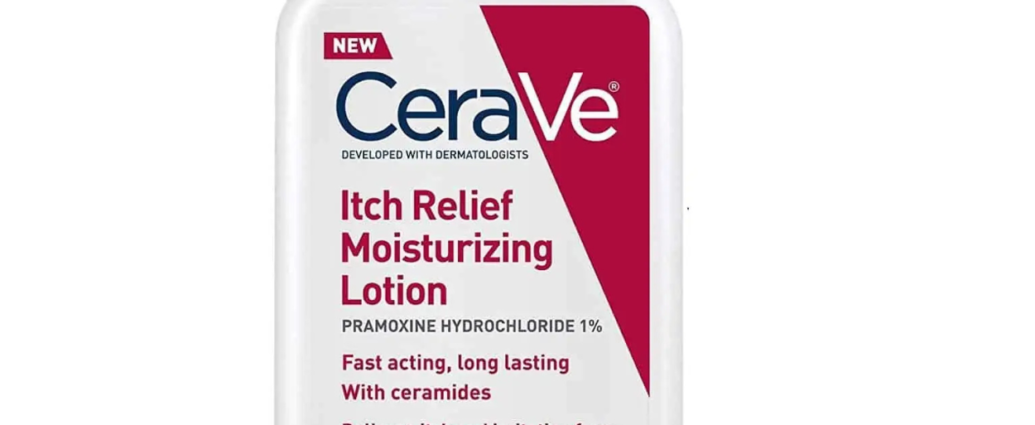
Itchy skin is one of those problems that sounds minor until you’re dealing with it at 2 AM, unable to sleep. Whether it’s a bug bite, a rash from poison ivy, eczema flaring up, or just plain dry winter skin, the right lotion for itching can make a huge difference. The challenge is that not every anti-itch lotion works for every cause of itching. Picking the wrong one wastes money and can actually make things worse.
This guide covers everything you need to know: the best lotions for different types of itching, the active ingredients that actually work, how to use them correctly, and what to watch out for.
Why Your Skin Itches in the First Place
Before reaching for any lotion, it helps to understand what’s driving the itch. Itchy skin can occur due to a range of reasons from dryness and minor irritations to sunburn and insect bites, as well as allergic reactions and certain skin conditions such as atopic dermatitis, contact dermatitis, eczema, psoriasis, or dry diabetic skin.
Some of the most common triggers include:
- Dry skin — especially in winter or low-humidity climates. This is the most frequent cause of all-over body itching.
- Bug bites and stings — mosquitoes, chiggers, bees, and fleas all leave behind itch-inducing substances.
- Poisonous plants — poison ivy, poison oak, and poison sumac cause intense localized itching and rashes.
- Skin conditions — eczema, psoriasis, hives (urticaria), and contact dermatitis are chronic or recurring causes.
- Chickenpox and shingles — viral infections famous for their itchy, blister-like rashes.
- Pregnancy — hormonal shifts stretch the skin and disrupt moisture levels, causing widespread itching.
- Allergic reactions — to cosmetics, metals, laundry detergents, or fabrics.
Identifying the cause matters because it determines which lotion type will work best. A menthol-based cooling lotion works brilliantly for chickenpox; it’s not necessarily the right call for fungal-origin itching.
The Best Types of Lotion for Itching
1. Calamine Lotion for Itching: The Classic Pink Bottle
That distinctive pink bottle has been a medicine cabinet staple for generations, and for good reason. Calamine lotion is a topical over-the-counter medication made from zinc oxide and 0.5% ferric oxide (the iron oxide gives it that recognizable pink color). The lotion works by evaporating off the skin’s surface, drawing heat away and creating a cooling, soothing effect that calms the itch-scratch cycle.
When applied to the skin, the aqueous component of calamine lotion evaporates. The heat required for evaporation is taken from the body, giving a cooling effect at the site of application. The powder added to the lotion increases the surface area of evaporation, so the lotion effectively dries and cools wet and weeping skin.
What calamine lotion works best for:
- Poison ivy, poison oak, and poison sumac rashes
- Chickenpox and shingles
- Insect bites and chigger bites
- Swimmer’s itch and heat rash
- Hives (urticaria)
- Oozing or weeping skin irritations
Calamine lotion is very effective for relieving itch and drying out blistery rashes such as poison ivy, oak, and sumac. It can also help with insect bites and stings.
How to use it: Shake the bottle well before each use. Apply to a cotton ball or soft cloth and dab it onto the affected area. Let it dry on your skin rather than rubbing it in. You can reapply up to four times daily.
2. Best Calamine Lotion for Itching: Top Products to Consider
Not all calamine products are created equal. Some add extra active ingredients to boost effectiveness:
- Caladryl Skin Protectant Lotion — a well-known calamine-based formula widely available at drugstores.
- Aveeno Anti-Itch Concentrated Lotion — combines calamine with pramoxine HCl (a mild anesthetic) and colloidal oatmeal for a triple-action approach.
- Generic calamine lotion — often just as effective as branded versions at a fraction of the price, since the active ingredients are identical.
3. Sarna Lotion for Itching: The Dermatologist’s Pick
Sarna is the number-one dermatologist-recommended brand in the anti-itch category. Their Calm + Cool Anti-Itch Lotion won the 2024 Self Healthy Beauty Award in the Best Anti-Itch Lotion/Lotion for Sensitive, Itchy Skin category. The formula is steroid-free, contains no parabens, dyes, or fragrance, and is safe for everyday use.
Sarna Anti-Itch Lotion quickly relieves itching from dry skin, eczema, and other irritations. It contains camphor, menthol, and phenol to cool and soothe the skin. It’s light and non-greasy, making it good for daily use, and many users see a significant drop in itching after using it.
Sarna was recently reformulated to enhance its soothing capabilities while keeping the gentle profile people have trusted for years.
4. Menthol Lotion for Itching: Cooling Relief That Works Fast
Menthol is one of the most satisfying anti-itch ingredients because it delivers that immediate “cool” feeling the moment it hits skin. Menthol activates nerve fibers that send cool, icy sensations to the brain, distracting you from the itch. It’s particularly effective for widespread itching from dry skin, eczema flares, or cholestasis.
Eucerin Itch Relief Intensive Calming Lotion uses menthol to help provide instant and lasting itch relief for up to 12 hours. Further enriched with Ceramide-3, this daily itch relief lotion helps strengthen the skin’s moisture barrier and leaves it feeling soft and smooth.
Other popular menthol-based anti-itch lotions include Gold Bond Medicated Body Lotion and Sarna’s classic formula. Keep in mind that menthol isn’t a great choice for open wounds or broken skin, and some people find it irritating on very sensitive skin.
5. Benadryl Lotion for Itching: Antihistamine Topical Treatment
Benadryl Extra Strength Itch Stopping Cream contains diphenhydramine, an antihistamine that works by blocking the histamine response triggered by allergic reactions. Topical diphenhydramine is sometimes recommended for short-term relief from itches related to bug bites or hives. However, it can irritate the skin and some people are allergic to it.
Dermatologists generally advise using Benadryl lotion for itching only for short periods and only on small areas of skin. It’s important to avoid the use of antihistamine creams like Benadryl, as they have the potential to cause contact dermatitis. If you need antihistamine relief for widespread itching, an oral antihistamine (like cetirizine or loratadine) is usually a smarter and safer option.
6. Hydrocortisone Cream: For Inflammatory Itching and Rashes
Though not always labeled as a “lotion for itching,” 1% hydrocortisone cream is one of the most effective OTC options when inflammation is the root cause. Hydrocortisone is a good choice for itchy rashes such as skin reactions due to nickel in jewelry, buckles and snaps on clothing, and irritants in laundry products. Drugstore hydrocortisone can help to soothe anal itching and discomfort from psoriasis and eczema.
One important caveat: skip hydrocortisone for itching around your toes or in your vaginal area or groin, which might be caused by a fungal infection. Corticosteroids can actually make these infections worse by reducing immunity, so the fungus can thrive.
7. Chamomile Lotion for Itching: A Gentle Natural Option
Chamomile has legitimate anti-inflammatory properties that make it worth considering, especially for people who prefer to avoid synthetic chemicals. Chamomile-based products work well for mild skin irritation, bug bites, and itching related to eczema or dry skin. You can find chamomile in several moisturizing body lotions, or use a cooled chamomile tea compress directly on irritated skin for quick temporary relief. It’s also one of the gentler options suitable for children and sensitive skin types.
8. Pregnancy Lotion for Itching: What’s Safe to Use
Itching during pregnancy is incredibly common. Hormonal changes reduce skin elasticity and moisture, leading to dryness, flaking, and intense itching around the belly, thighs, and breasts. Calamine lotion and menthol are considered to be safe in pregnancy.
Calamine lotion is effective for providing relief from itching during pregnancy because after applying it onto the skin, the calamine evaporates, leaving a coolness that soothes the skin and provides relief.
Safe pregnancy lotion options for itching generally include:
- Calamine lotion — gentle, well-tolerated, dries out minor rashes
- Menthol-based serums (like Lansinoh Itch Relief Serum) — formulated specifically for pregnancy
- Fragrance-free moisturizers — apply immediately after bathing to lock in moisture
- Colloidal oatmeal lotions (like Aveeno Eczema Therapy) — soothing and hypoallergenic
Always consult your doctor before starting any new topical treatment during pregnancy. More severe itching, especially on the palms and soles of the feet, can indicate Intrahepatic Cholestasis of Pregnancy (ICP), which requires medical evaluation rather than just topical relief.
Body Lotion for Itching Skin: Daily Moisturizers That Help
If your itching is caused by persistent dry skin rather than a rash or allergic reaction, a good daily body lotion can prevent the problem from recurring. Look for these powerhouse ingredients:
- Ceramides — restore the skin’s natural moisture barrier; found in CeraVe and Curél Itch Defense.
- Colloidal oatmeal — can ease irritation and itchiness, and it’s a key ingredient for people who have eczema.
- Hyaluronic acid — draws moisture into the skin, keeping it plump and less prone to dryness-related itching.
- Niacinamide — anti-inflammatory; reduces redness and irritation alongside itching.
Curél Itch Defense Lotion, with Advanced Ceramide Complex, restores the skin’s ceramide levels to help retain moisture and prevent symptoms of dry, itchy skin from returning. It was granted the National Eczema Association Seal of Acceptance.
For best results, apply your body lotion for itching skin within a few minutes of getting out of the shower, while the skin is still slightly damp. This locks in moisture far more effectively than applying to completely dry skin.
Lotion for Itching All Over the Body: When Itching is Widespread
Itching all over the body (generalized pruritus) can have causes that go beyond just dry skin. Potential triggers include allergic reactions, medication side effects, kidney or liver conditions, thyroid disorders, or iron deficiency. If pruritus continues for longer than 6 weeks, doctors consider it to be chronic, and it’s important to identify the problem and treat the underlying cause to get relief.
For whole-body itching, your best OTC approach includes a gentle, fragrance-free moisturizing lotion with ceramides or colloidal oatmeal applied daily, combined with short lukewarm (not hot) showers and breathable cotton clothing. If the itching is severe, widespread, and doesn’t respond to topical treatment within a week, it’s worth seeing a doctor to rule out a systemic cause.
How to Apply Lotion for Itching Correctly
Applying your lotion correctly matters more than people realize. Here’s how to get the most out of any anti-itch product:
- Clean the area first — gently wash with a mild, fragrance-free cleanser and pat dry.
- Apply to damp skin — for moisturizing body lotions, apply right after the shower.
- Use gentle circular motions — massage the lotion in until fully absorbed; don’t aggressively rub.
- Don’t over-apply — a thin, even layer is more effective than a thick layer that just sits on the surface.
- Frequency — most anti-itch lotions should be used 1 to 3 times a day. Start with the recommended frequency on the product label and adjust based on the relief experienced and any side effects.
- Avoid broken skin — don’t apply calamine or medicated lotions to open wounds or broken skin.
- Keep away from eyes, mouth, and mucous membranes.
Frequently Asked Questions (FAQs)
What is the pink lotion for itching called?
The famous pink lotion for itching is calamine lotion. Its distinctive pink color comes from ferric oxide (iron oxide), one of its active ingredients. It’s available under names like Caladryl and as generic calamine at virtually every drugstore.
Is calamine lotion good for itching?
Yes. Calamine lotion is highly effective for itching caused by poison ivy, chickenpox, insect bites, hives, heat rash, and swimmer’s itch. It works by cooling the skin as it evaporates and has a mild astringent effect that helps dry out weeping rashes. It won’t cure the underlying condition, but it provides real symptom relief.
What is the best lotion for itching skin?
The best lotion depends on the cause. For rashes and poison ivy, calamine lotion is the top choice. For dry skin itching, CeraVe Itch Relief Moisturizing Lotion or Curél Itch Defense are excellent. For general anti-itch relief, Sarna Anti-Itch Lotion is the number-one dermatologist-recommended option. For maximum-strength relief from inflammation, a 1% hydrocortisone cream like Cortizone 10 or Aquaphor’s Hydrocortisone Ointment works well.
Can I use calamine lotion during pregnancy?
Calamine lotion is generally considered safe during pregnancy for topical use on itchy skin. However, always consult your doctor before using any medication while pregnant, especially for widespread or severe itching, which could indicate a liver condition requiring medical attention.
What lotion is safe for itching during pregnancy?
Calamine lotion, menthol-based serums formulated for pregnancy (such as Lansinoh Itch Relief Serum), and fragrance-free moisturizers with colloidal oatmeal or ceramides are generally safe choices. Avoid products with high concentrations of camphor, retinoids, or salicylic acid during pregnancy.
How does menthol lotion stop itching?
Menthol activates cold receptors in the skin, sending a “cool” signal to the nervous system. This cooling sensation competes with and overrides the itch signal, providing fast temporary relief. It’s particularly useful for itching from dry skin, eczema, and conditions like cholestasis of pregnancy.
Is Benadryl lotion effective for itching?
Benadryl lotion can provide short-term relief for localized itching from bug bites or hives by blocking histamine. However, dermatologists caution that topical diphenhydramine (Benadryl’s active ingredient) can sometimes cause contact dermatitis and is not recommended for long-term or large-area use. Oral antihistamines are generally safer and more effective for widespread allergic itching.
What lotion is best for itching and rashes?
For itching with an accompanying rash, calamine lotion works well for contact rashes (poison ivy, heat rash) and viral rashes (chickenpox). For inflamed, red rashes, a 1% hydrocortisone cream is more appropriate. For eczema-related rashes, look for a moisturizer with ceramides and colloidal oatmeal, like Aveeno Eczema Therapy or CeraVe Eczema Relief Body Cream.
Can I use anti-itch lotion on my child?
Most calamine and OTC anti-itch lotions are safe for children age 2 and older. Always supervise application and keep products stored safely out of reach. Hydrocortisone cream should not be used on children under 2 without doctor guidance. Check product labels carefully and consult a pediatrician for children with persistent or severe itching.
How long should I use anti-itch lotion before seeing a doctor?
Most anti-itch lotions offer improvement within a few days. Stop use and contact a healthcare provider if: the skin condition gets worse, symptoms haven’t improved after 7 days of consistent use, symptoms clear up and then return within a few days, or you develop signs of an allergic reaction (increased redness, swelling, blistering) to the product itself.
What ingredients should I look for in a lotion for itching?
Key active ingredients to look for include: hydrocortisone (for inflammatory itching), pramoxine HCl (a mild local anesthetic), menthol or camphor (for cooling relief), zinc oxide and ferric oxide (calamine, for drying rashes), colloidal oatmeal (for soothing sensitive skin), and ceramides (for restoring the moisture barrier).
What is the pink bottle lotion for itching?
The pink bottle lotion most commonly associated with itching is calamine lotion. It comes in a distinctive pink-tinted bottle because of the ferric oxide in the formula. Some stores also carry Caladryl, which uses calamine and pramoxine together in a similar packaging style.
Can lotion make itching worse?
Yes, if it contains potential irritants. Fragrances, dyes, alcohol, and certain preservatives can worsen itching in sensitive skin. If you notice more itching after applying a lotion, stop using it and switch to a fragrance-free, hypoallergenic formula. Benadryl lotion can also sometimes cause allergic contact dermatitis in some users, leading to more itching rather than less.
What should I avoid when my skin is itchy?
Avoid hot showers (lukewarm water is better), harsh soaps, scratching the affected area, tight or synthetic clothing, and scented lotions or products. Scratching breaks the skin barrier, creates infection risk, and can intensify the itch-scratch cycle.
Is there a lotion for itching all over the body?
For generalized body itching, a gentle, fragrance-free moisturizing body lotion with ceramides or colloidal oatmeal (applied daily after bathing) is the best starting point. If the cause is inflammatory or allergic, adding a hydrocortisone cream to the most affected spots can help. Persistent full-body itching lasting more than six weeks warrants a medical evaluation to rule out systemic causes.