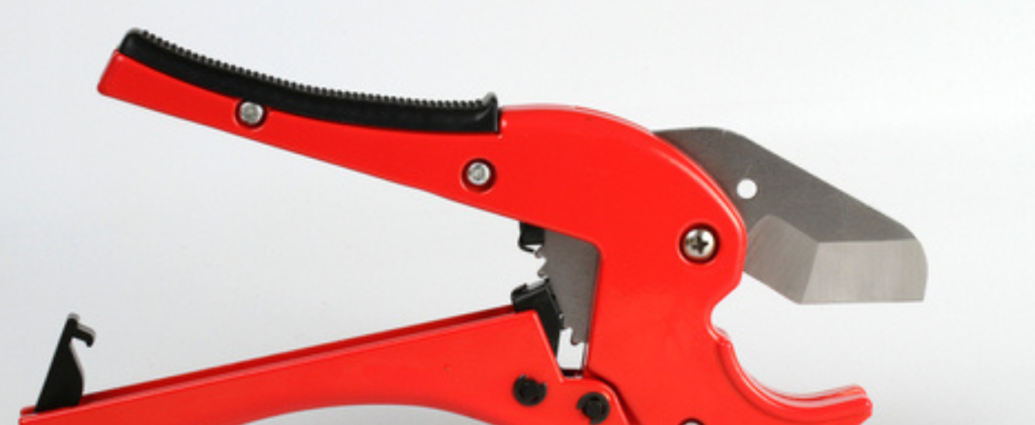
Whether you’re fixing a leaky pipe under the sink, building an irrigation system in the backyard, or tackling a full bathroom renovation, knowing how to use a PVC pipe cutter properly is one of the most practical skills you can have. It’s not complicated, but there’s a real difference between a sloppy cut and a clean, square one — and that difference directly affects whether your joints hold tight or drip slowly over time.
This guide covers everything: the different types of PVC pipe cutters, step-by-step instructions for each, pro tips, common mistakes, and the finishing steps most beginners skip.
Read More: Best Alternative to Omegle in 2026: Top Free & Safe Random Chat Sites
What Is a PVC Pipe Cutter?
A PVC pipe cutter is a tool made specifically to cut PVC pipe. However, because of how they’re designed, most PVC pipe cutters can also cut PEX pipe, CPVC, and other plastic pipe materials. PVC pipe cutters often use a ratcheting or tightening mechanism to cut the pipe.
These tools are different from general-purpose saws. They’re engineered specifically for plastic pipe, which means cleaner edges, less mess, and faster results — especially on smaller pipe diameters. You’ll find them at any hardware store, and they’re very inexpensive tools ($10–$12 each).
Types of PVC Pipe Cutters
Before you start cutting, you need the right tool for the pipe size you’re working with. Using the wrong cutter leads to crushed pipes, crooked cuts, and a lot of frustration.
1. Scissor-Style (Shear) Cutters
A shears PVC pipe cutter gets its name because it looks similar to a pair of shears. Most shears PVC pipe cutters can cut pipes ranging from 1.3–2.5 cm (0.5–1 in). Some larger designs can cut up to 5 cm (2 in), but doing so requires a great deal of strength.
These are the most affordable option and great for small residential projects. The downside? The only drawback to cutting with a plastic pipe cutter is the aching hand pain, since you are constantly squeezing the cutter handles together. It’s recommended that you only use plastic pipe cutters for smaller projects with fewer than 10 cuts.
2. Ratcheting Pipe Cutters
Ratcheting pipe cutters are a type of manual pipe cutter, but the ratcheting feature makes them easier to operate. Rather than having to apply constant squeezing pressure, every time you squeeze the cutter it ratchets up a notch and holds in place. This feature makes it faster and easier to cut thick or large pipes by hand.
Place the pipe in the cradle and pump the handles — the ratchet advances the blade for a burr-free cut. These are arguably the best all-around option for homeowners. They handle most standard pipe sizes and require a fraction of the effort of scissor cutters.
3. C-Shaped (Rotating) Pipe Cutters
A C-shaped PVC pipe cutter looks and functions like copper and steel pipe cutters. However, the PVC pipe cutter’s cutting wheel is made of stainless steel rather than hardened steel.
The rotating pipe cutter uses a blade that clamps down onto the edge of the pipe and you can rotate it to cut deeper into the pipe. Place the point you want to cut on the blade in the jaws of the pipe cutter, then squeeze the handles together and rotate the cutter around the pipe. Best for larger diameter PVC pipe, such as 1″ to 1-1/2″.
4. Power (Electric) PVC Cutters
Like a powered version of PVC shears: align your mark, press the trigger, done. Safer and less messy than a miter saw, with similar speed. Very fast; zero hand strain; clean edges; portable. These are ideal for professionals or anyone doing high-volume work regularly.
Alternative Cutting Methods
You don’t always need a dedicated pipe cutter. Depending on your project and what’s in your toolbox, these alternatives work well too.
Hacksaw
The hacksaw or back saw are the most common methods for cutting lengths of PVC pipe, as most individuals already have one in their toolbox or garage. Hacksaws and back saws work well but are somewhat time-consuming and can require additional work to de-burr the edges of the cut PVC pipe. A hacksaw is ideal if you only need to cut one or several pieces of pipe.
For best results with a hacksaw, look for hacksaws with fine-tooth blades (18–24 teeth per inch) to minimize the risk of cracking or splintering the PVC during cuts.
Miter Saw
A quality miter saw, a powerful electric saw typically used in carpentry, can cut PVC piping accurately. The cuts are just about guaranteed to be square because miter saws lock into place at preset angles, including 90 degrees. To cut a PVC pipe with a miter saw, position the pipe against the fence of the miter saw so the cut mark is easily seen. Line up the blade with the desired cut mark, lift the saw up and start the blade, and slowly lower the blade into the PVC pipe until it cuts all the way through.
This is the best option when you have a large volume of cuts to make. It’s fast, square, and consistent.
Cable Saw
Cable saws are another great option for cutting PVC pipes in tight spaces or after installation. These flexible tools can maneuver around obstacles and make cuts in hard-to-reach areas. This is a niche tool, but it’s genuinely invaluable when you’re working on an already-installed system and can’t get a standard cutter around the pipe.
Utility Knife
When working with PVC pipes under 1 inch in diameter, a sharp utility knife can be surprisingly effective. This method works best with thinner-walled PVC, such as schedule 40 pipe used in many residential applications. The technique involves scoring a line completely around the pipe circumference, then snapping the pipe along the scored line.
How to Use a PVC Pipe Cutter: Step-by-Step
Here’s the process that works whether you’re using a ratchet cutter, a scissor cutter, or a rotating C-style cutter.
Step 1: Measure and Mark
Use a measuring tape to get the exact length. Mark the spot with a pencil or marker. Draw a line around the pipe to ensure a straight cut. Double-check your measurement to avoid mistakes.
A useful trick: wrap a piece of masking tape around the pipe at your cut point. The tape edge gives you a perfectly straight visual guide to follow.
Step 2: Put on Safety Gear
Always wear protective gear, such as safety glasses, masks, and gloves, to protect yourself from any potential injuries. It only takes a second and it’s worth it — flying plastic shards are no fun.
Step 3: Position the Pipe in the Cutter
Make sure the pipe is fully seated in the curved portion before beginning your cut. This creates the correct starting position for the blade to travel perpendicular to the pipe’s length.
In general, the key is to mark the spot on the pipe where you want to make your cut. Next, tighten the jaws of the cutter around the pipe so that the cutter blade is on your mark.
Step 4: Make the Cut
For ratchet cutters: start squeezing the handles together to start the ratcheting process. You should hear a click every time the ratchet moves up a notch and the blade closes. Continue squeezing and ratcheting until you have cut completely through the PVC pipe.
For rotating cutters: grasp the handle with pressure, then slowly rotate the pipe cutter around the pipe, ensuring that you remain straight. If the pipe cutter begins to make a ‘spiral’ and goes off to the left or right, restart the cut and attempt to keep it straight.
Step 5: Deburr the Cut Edge
This is the step most beginners skip, and it causes problems down the line. More on this in the next section.
Step 6: Inspect and Test Fit
Inspect the cut to confirm it’s straight and clean. If it’s uneven, you may need to re-cut the pipe. Test-fit the pipe with your fitting to ensure it’s the right length.
How to Use a Hacksaw to Cut PVC Pipe
If you’re going the hacksaw route, the process is similar but requires a bit more attention to staying straight.
- Secure the pipe in a vise or clamp so it doesn’t move
- Mark your cut line all the way around the pipe
- Use a miter box if you have one — it keeps the blade at exactly 90 degrees
- Let the saw’s teeth do the work, maintaining a steady, consistent rhythm and pressure. When cutting larger diameter pipes, rotate the pipe slightly after a few strokes to ensure the cut advances evenly around the circumference. Reducing the speed and pressure near the end of the cut prevents the final piece from tearing away and leaving a rough, jagged edge.
Why Deburring Matters (Don’t Skip This)
Even perfect cuts leave small burrs or rough spots. Deburring tools ($5–$15) remove these in seconds.
Unremoved burrs create several problems: they restrict water flow inside pipes, prevent fittings from seating properly, create weak points in joints that may leak, and can even tear rubber seals in compression fittings. Deburring takes just minutes but prevents hours of future troubleshooting.
Here’s how to deburr effectively:
- Deburring tool: The cleanest method. A deburring tool is specifically designed to smooth the rough edges of cut pipes. For PVC pipes, a deburring tool easily removes burrs and sharp edges, creating the smooth and beveled finish required for a proper connection.
- Utility knife: Hold it at a slight angle and scrape around the inner and outer edge of the pipe
- Sandpaper: For small pipes, wrap sandpaper around a dowel and twist it inside the pipe to smooth the inner edge.
- File: A fine-toothed file can be an effective alternative if a deburring tool isn’t available. While using a file may require more effort and time, it can still achieve the desired chamfered edge.
After deburring, run your finger around both edges. If it feels smooth, you’re good to go.
Common Mistakes to Avoid
Even experienced DIYers fall into these traps. Avoiding them saves time, money, and wasted pipe.
- Not marking all the way around the pipe. If you only mark one side, you’ll end up with a diagonal cut. Wrap the line around the full circumference.
- Using the wrong cutter for the pipe diameter. Scissor cutters on large pipes crush them rather than cut. Match the tool to the job.
- Forcing the cut. Never force the cut or the plastic may melt and bind the blade.
- Skipping the deburring step. Forgetting to deburr causes poor connections. This is probably the most common mistake of all.
- Cutting cold PVC without warming it first. Cold PVC is more brittle. Warm it slightly with a heat gun or warm water before cutting to reduce cracking risk.
- Using wood saws. Wood saws have wider teeth that can crack or splinter PVC.
- Not clamping the pipe. Trying to hold a pipe steady by hand while cutting is a recipe for crooked cuts and injury.
Pro Tips for Better PVC Cuts
These are the small habits that separate a tidy, professional-looking job from a frustrating mess.
- Lubricate the blade. Almost all materials benefit from a little lubrication during the cutting process, and PVC pipe is no different. Lubricants keep friction down, which allows a blade to glide easier. A light spray lubricant or even cooking oil works fine.
- Use a fine-tooth blade on saws. For fewer burrs on the cut ends of the pipe, use a fine-toothed blade.
- Keep blades sharp. Dull blades make messy cuts. Replace or sharpen blades regularly for best results.
- Take breaks. To prevent strain on your hands and wrists from repetitive cutting, it’s important to take frequent breaks.
- Clean your cutter after use. Wipe the blades with a dry cloth to remove plastic debris. Store the cutter in a dry place to prevent rust. Apply a drop of oil to the pivot point for smooth operation.
PVC Pipe Cutter Use by Project Type
Not every project calls for the same tool. Here’s a quick guide to matching your cutter to the job:
- Plumbing repairs at home: A ratchet-style cutter handles most residential pipe sizes (up to 1.5″) and is easy to use in tight cabinet spaces.
- Garden irrigation systems: Scissor or ratchet cutters work perfectly. You’ll be making lots of smaller cuts on half-inch or three-quarter-inch pipe.
- Large renovation projects: A miter saw is the right call when you need dozens of identical, perfectly square cuts fast.
- In-wall or in-floor repairs on existing pipe: Use a cable saw or a reciprocating saw (Sawzall) to reach pipes in confined spots without tearing out more drywall than necessary.
- DIY furniture or PVC frames: Any cutter works, but a ratchet cutter keeps things clean and quick.
Frequently Asked Questions About PVC Pipe Cutter Use
What is the best tool to cut PVC pipe?
Ratchet-style PVC cutters offer the easiest operation for most homeowners. They require minimal effort, create clean cuts automatically, and work perfectly on schedule 40 PVC up to 2 inches in diameter. For larger diameters or high-volume jobs, a miter saw is the better choice.
Can I use a regular hacksaw to cut PVC pipe?
Yes. A regular handsaw or hacksaw works perfectly fine if you cut slowly and carefully. Just use a fine-tooth blade, clamp the pipe, and deburr the edges afterward.
Do I need to deburr PVC pipe after cutting?
Yes, deburring is essential. Burrs and rough edges can prevent proper seating in fittings, interfere with glue adhesion, and restrict water flow.
Can a copper pipe cutter cut PVC?
In a pinch, a copper pipe cutter can cut through PVC pipe. However, using the copper pipe cutter to cut anything except copper will quickly dull the cutting blade. It’s not recommended for regular use.
What size PVC pipe can a ratchet cutter handle?
Ratcheting pipe cutters are big enough to cut most pipe sizes from 1/2″ to 1-1/2″ in circumference, but anything bigger may require a miter saw or Sawzall.
Can I cut PVC pipe that’s already installed?
Yes, using a reciprocating saw or specialized close-quarter pipe cutters. Take extra care to avoid damaging surrounding materials. A cable saw is another great option for tight, awkward spaces.
How do I get a perfectly straight cut on PVC?
Wrap masking tape or a piece of paper all the way around the pipe at the cut line to use as a guide. Use a miter box, which provides a built-in square angle to guide the saw blade. Or use a ratchet cutter with the pipe firmly seated in the cradle — the cradle itself guides the blade straight.
What happens if I cut PVC pipe at an angle?
An off-square cut means the pipe won’t seat properly inside the fitting. External burrs or a poor angle prevent the pipe from seating fully into the fitting, leaving a microscopic gap that compromises the strength and sealing capability of the solvent cement bond. For pressure applications, this can mean leaks.
Is it safe to cut PVC pipe indoors?
PVC pipe, when cut, can emit small particles that can irritate the lungs or throat. Wear a mask or respirator if you’re working in a confined space, and make sure there’s adequate ventilation. Lay down a drop cloth to catch the fine plastic dust.
Can PVC pipe crack when cut in cold weather?
Yes. Cold temperatures make PVC more brittle. If you’re working outdoors in winter, warm the pipe gently with a heat gun or soak it briefly in warm water before cutting to reduce the risk of cracking.
How long does a PVC pipe cutter blade last?
It depends on use frequency and pipe material. A quality ratchet cutter blade should handle hundreds of cuts before needing replacement. Signs of a dull blade include rough cuts, the pipe compressing rather than slicing cleanly, or the cutter requiring excessive force.
What’s the difference between Schedule 40 and Schedule 80 PVC when cutting?
Schedule 80 has thicker walls than Schedule 40, which means it requires more force to cut with a manual cutter. For Schedule 80 pipe over 1 inch in diameter, a miter saw or reciprocating saw is more practical than a hand cutter.
Can I use a PVC pipe cutter on CPVC or PEX?
Because of how they’re designed, most PVC pipe cutters can also cut PEX pipe, CPVC, and other plastic pipe materials. Check your specific cutter’s specs, but most ratchet and scissor cutters handle these materials without issue.